

<img src="https://acuteintuitive52.com/810690.png" style="display:none;">
Skip to content
Utility-scale solar farm at sunrise

Keep Solar Sites Online

Maintain continuous visibility into energy production, equipment performance, and site operations
across utility-scale, commercial, and remote solar deployments. 


Why Connectivity Fails for Solar Energy

Solar energy sites are often spread across large areas, where maintaining continuous communication between field equipment and operations teams can be challenging. When monitoring systems lose connectivity, production data and alerts may be delayed, making it harder to identify issues and respond quickly.  


Connectivity Challenges

  • Remote and distributed solar sites
  • Single-carrier network outages
  • Unstable cellular coverage
  • Limited network redundancy
  • Network congestion

Operational Impact

  • Reduced visibility across solar operations
  • Lost communication with monitoring systems
  • Delayed equipment alerts
  • Gaps in production and performance data
  • Slower fault detection and maintenance

Why Traditional IoT Connectivity Fails in Real Operations

Connectivity rarely fails all at once. Small disruptions are what break operations. 
Single-Carrier Dependency

When a single carrier network fails, everything relying on it stops.

No Automatic Failover

Without automatic failover, switching networks takes time and interrupts operations.

Limited Visibility

Without real-time visibility, connectivity issues take longer to detect and resolve. 


Not Built for Multi-Location Operations

Connectivity that works in one location may fail in another due to changing network conditions.

How POND IoT Keeps Solar Sites Online

Multi-Carrier SIMs

Keep solar sites connected by automatically switching between available carrier networks. 

Automatic Failover

Keep monitoring systems and operational data online by automatically switching to a backup connection. 

Cellular + Satellite
Keep remote solar sites connected by combining cellular and satellite networks where coverage is limited.
Rapid Deployment
Deploy new solar sites quickly with preconfigured connectivity that simplifies installation and expansion.

Why Multi-Carrier Connectivity Matters for Solar Energy


Capabilities  POND IoT Multi-Carrier Connectivity 
 Single-Carrier Connectivity 
 Multi-Carrier Network Access  ✔️
 Automatic Network Switching  ✔️
 Internet Failover / Backup  ✔️ Limited
 LTE & 5G Connectivity  ✔️ Limited
 Remote Solar Site Connectivity     ✔️ Limited
Centralized Connectivity Management ✔️

Want to See How Much You Can Save with POND IoT?

Estimate your potential savings with our ROI calculator. 

Connectivity Solutions for Every Solar Environment

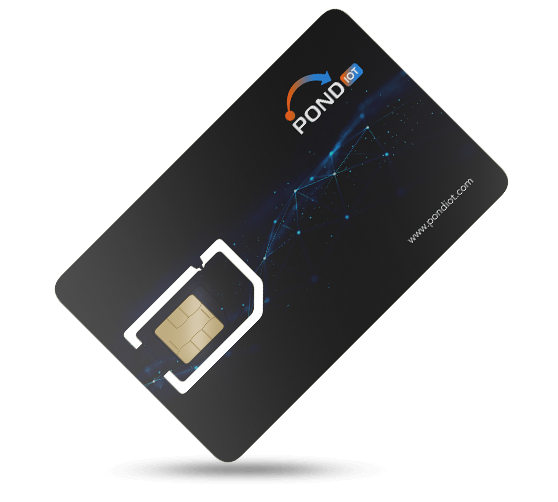
SIM_Card_3

Managing Distributed Solar Sites

Managing connectivity across distributed solar sites often means dealing with different network conditions and carrier availability. POND IoT Multi-Carrier SIMs simplify connectivity with one solution designed to support solar operations across multiple locations. 

Key Benefits

  • Reduced Carrier Dependence
    Access multiple carrier networks through a single SIM.
  • Simplified Connectivity Management
    Manage distributed solar sites through one provider, one platform, and one invoice.
  • Scalable Deployments
    Support growing solar portfolios with one connectivity solution.

Backup Connectivity for Solar Operations

Many solar sites rely on fiber, broadband, or other fixed internet connections for monitoring and operational communications. POND IoT Automatic Failover adds a cellular backup connection that automatically takes over when the primary internet service becomes unavailable.

Key Benefits

  • Works with Existing Infrastructure
    Add cellular backup without replacing your existing internet connection.
  • Automatic Failover
    Switch to a backup cellular connection when the primary internet service becomes unavailable.
  • Maintain Operational Visibility
    Support communication with monitoring platforms during internet outages.
  • Automatic Recovery
    Return to the primary internet connection when service is restored.
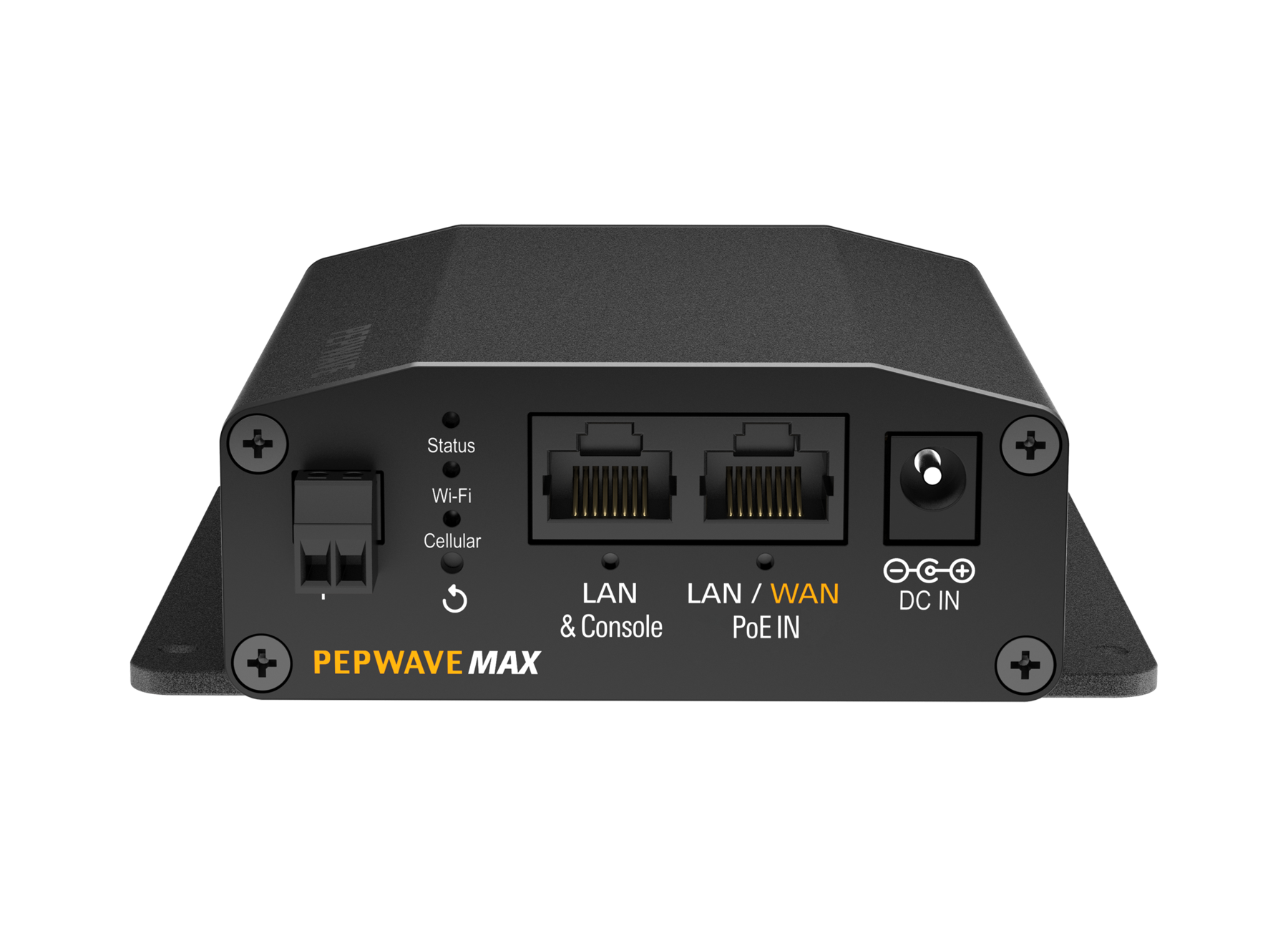
Peplink MAX BR1

Supporting Remote Solar Deployments

Some solar sites operate beyond the reach of traditional internet infrastructure, where fiber, broadband, or reliable cellular coverage may not be available. POND IoT combines Starlink, Peplink, and Multi-Carrier SIMs to provide a resilient connectivity solution designed for remote and infrastructure-limited solar deployments.

Key Benefits

  • Connectivity Beyond Traditional Infrastructure
    Connect solar sites where wired internet is unavailable.
  • Hybrid Connectivity Architecture
    Combine satellite and cellular connectivity within a single solution.
  • Intelligent Traffic Management
    Peplink intelligently manages available connections to support reliable communications.

Starlink_5

Supporting Performance Monitoring & Reporting

Many solar operations rely on continuous communication between monitoring systems and management platforms to track performance and support reporting requirements. Reliable connectivity enables the transmission of operational data across distributed solar sites.

Key Benefits

  • Reliable Data Transmission
    Support communication between monitoring equipment and management platforms.
  • Improved Operational Visibility
    Access performance data from distributed solar sites.
  • Support Reporting Requirements
    Maintain connectivity for systems used in operational and regulatory reporting.

Supporting Every Solar Deployment

 
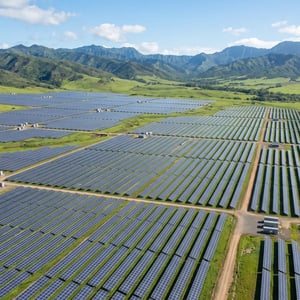
Utility-scale solar farm
Utility-Scale Solar Farms
Maintain reliable connectivity across large-scale solar operations. 
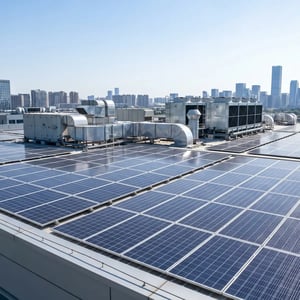
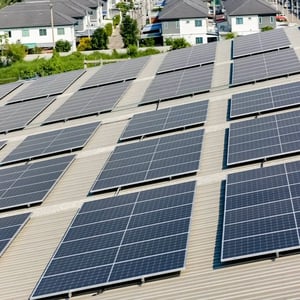
Commercial rooftop solar installation
Commercial Rooftop Solar
Support reliable monitoring across commercial solar installations.  
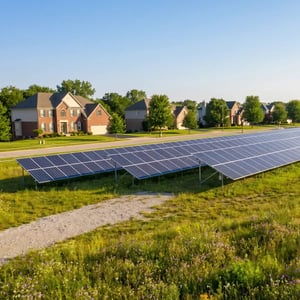
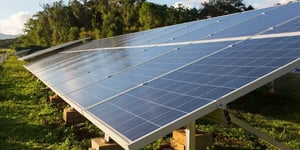
Community solar installation
Community Solar Projects
Support reliable connectivity across shared solar installations. 
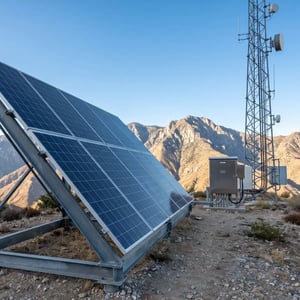
Remote solar installation with communications tower
Remote & Off-Grid
Sites
Extend reliable connectivity to sites beyond traditional infrastructure. 
Need a Connectivity Solution for Your Solar Deployment?

USE CASE

Improving Solar Operations with Multi-Carrier SIMs and Satellite Connectivity

Solar deployments often span very different environments, from utility-scale solar farms in remote areas to commercial rooftop installations in urban locations. This use case shows how combining Multi-Carrier SIMs with satellite connectivity creates a more consistent connectivity strategy across distributed solar operations, improving visibility, monitoring, and day-to-day management. 


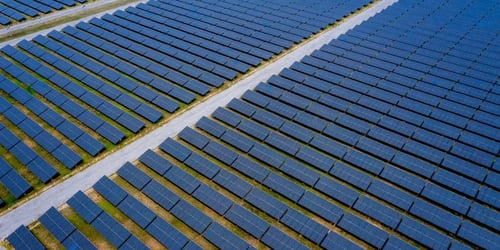
Aerial view of rows of solar panels in a large solar farm

Frequently Asked Questions

How do solar farms stay connected in remote locations?

Solar farms in remote areas often use a combination of cellular and satellite connectivity. Multi-Carrier SIMs provide access to multiple cellular networks, while satellite connectivity can be used where terrestrial coverage is limited or unavailable.

Why is reliable connectivity important for solar monitoring?

Monitoring platforms rely on continuous communication with solar sites to receive production data, equipment status, and system alerts. Reliable connectivity supports accurate monitoring, faster issue detection, and improved operational visibility.

What is a Multi-Carrier SIM for solar energy systems? A Multi-Carrier SIM provides access to multiple carrier networks through a single SIM. This reduces dependence on one network and supports more consistent connectivity across solar sites with different coverage conditions. 
Can Automatic Failover back up an existing internet connection?

Yes. Automatic Failover works alongside an existing internet connection by switching to a cellular backup connection when the primary service becomes unavailable. Once the primary connection is restored, traffic automatically returns.

When should solar operators use satellite connectivity?

Satellite connectivity is commonly used for remote or infrastructure-limited solar sites where fiber, broadband, or reliable cellular coverage is unavailable or inconsistent. It can also be combined with cellular connectivity to improve resiliency. 

Can one connectivity solution support multiple solar sites?

Yes. Managing connectivity through one provider and one platform simplifies deployments across distributed solar sites while reducing the complexity of working with multiple carriers and connectivity providers. 

Build the Right Connectivity Solution for Your Solar Deployment

Every solar deployment has unique connectivity requirements. Tell us about your sites, locations, and operational needs, and our team will recommend a solution designed to support reliable monitoring, performance, and long-term operations.