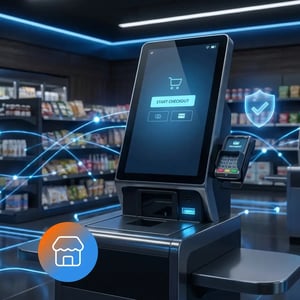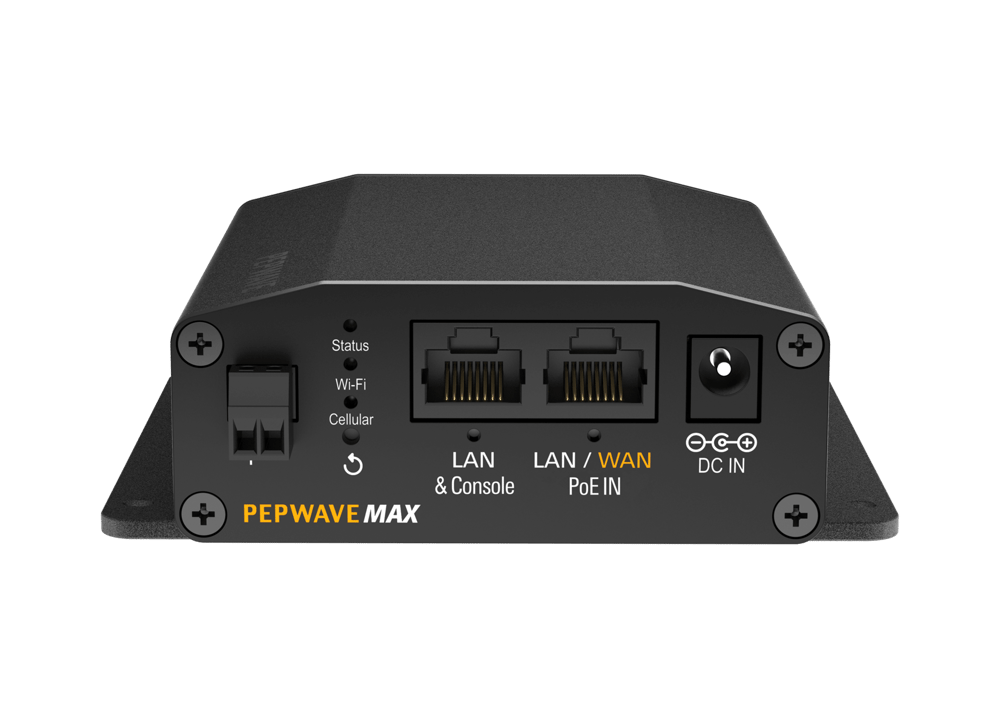


Connectivity
Infrastructure for
Automated Retail
Why Automated Retail Connectivity Fails
Single-carrier connectivity, unstable internet, and limited visibility can lead to failed payments, offline devices, and lost revenue across automated retail environments.
Most automated retail outages start with unstable or single-carrier connectivity.
- Transactions fail when connectivity drops
- Self-service systems lose real-time communication
- Remote locations often lack reliable wired internet
- Limited visibility delays issue detection
Even short disruptions can interrupt sales, impact customer experience, and leave devices offline until connectivity is restored.
Why Traditional IoT Connectivity Fails in Real Operations
Connectivity rarely fails all at once. Small disruptions are what break operations.When a single carrier network fails, everything relying on it stops.
Without automatic failover, switching networks takes time and interrupts operations.
Without real-time visibility, connectivity issues take longer to detect and resolve.
Connectivity that works in one location may fail in another due to changing network conditions.
How POND IoT Keeps Automated Retail Devices Online
Connectivity
Maintain uptime across multiple carrier networks.
Protection
Keep transactions running during outages and disruptions.
Transmission
Support encrypted communication for payments and device activity.
Deployment
Connectivity for Automated Retail Devices
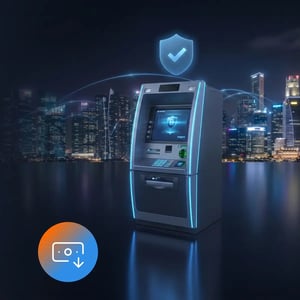
Ensure continuous connectivity for ATM transactions, monitoring, and remote management.
ATM Connectivity Solutions
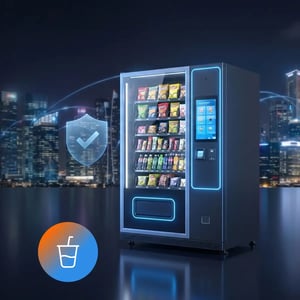
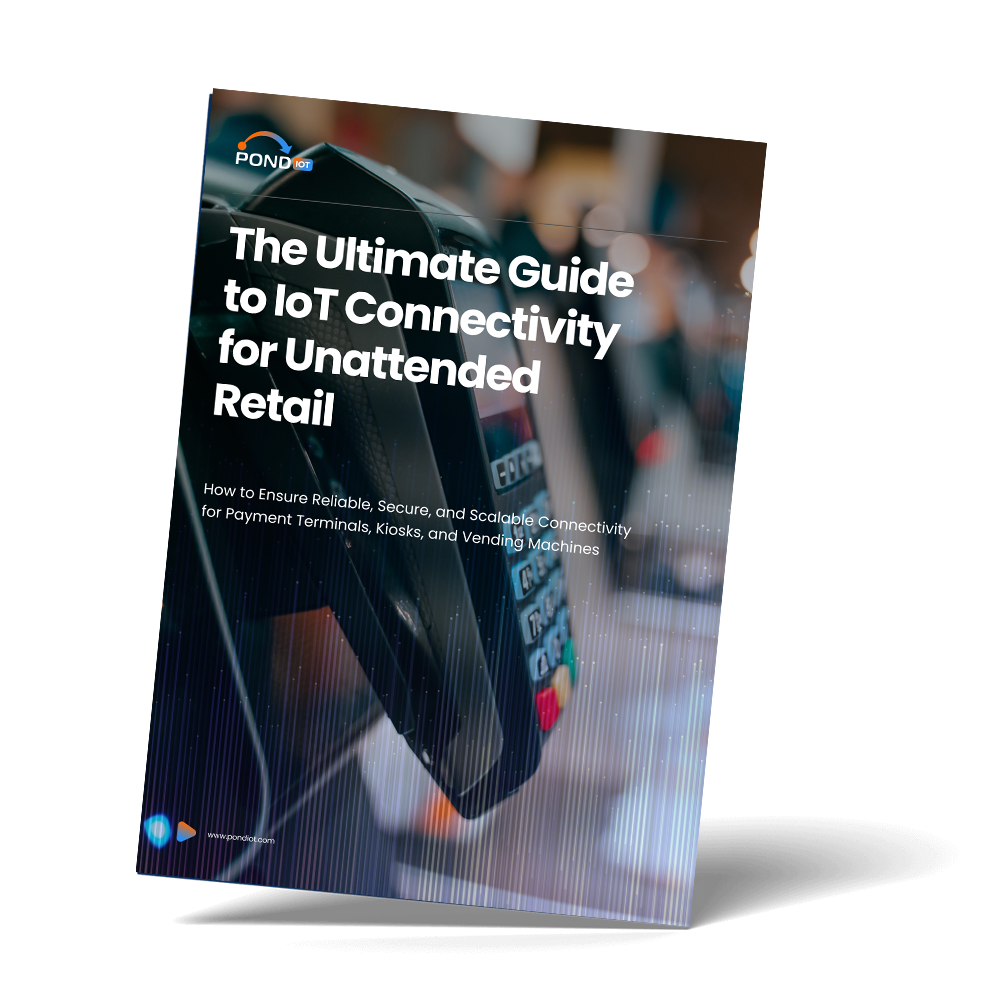
Automated Retail Connectivity Deployment Guide
See how automated retail devices stay connected across vending, kiosks, micro markets, payment systems, digital signage, and unattended retail environments.
Includes deployment examples, operational use cases, and connectivity recommendations for distributed retail environments.
Multi-Carrier SIM Connectivity for Automated Retail
Multi-Carrier SIMs maintain stable connectivity across varying signal conditions, high-traffic retail environments, and distributed deployments.
-
Minimized Service Interruptions
Reduce connectivity-related disruptions across retail devices. -
Lower Operational Overhead
Limit manual troubleshooting and unnecessary service visits. -
Stable Transaction Processing
Support uninterrupted payment and checkout experiences. -
Flexible Retail Deployments
Operate across stores, kiosks, micro markets, and remote locations.


Internet Backup with Automatic Failover
- Seamless Failover Switching
Maintain connectivity during ISP outages and disruptions. - Reduced Revenue Disruption
Keep transactions and self-service systems operational. - Support for Distributed Retail Locations
Deploy backup connectivity across stores, kiosks, and remote environments. - Flexible Backup Infrastructure
Support both individual deployments and large retail networks.
Secure Transactions and Protected Retail Data
- Encrypted Payment Communication
Support secure transaction processing across retail systems. - Protected Device Connectivity
Reduce exposure to unauthorized access and network threats. - Secure Retail Infrastructure
Maintain protected communication between devices and backend systems. - Support for Compliance Requirements
Support secure deployments aligned with modern retail security standards.
Custom Connectivity for Automated Retail
- Device-Specific Deployments
Connectivity optimized for retail hardware and self-service systems. - Temporary & Remote Installations
Support kiosks, pop-up retail, and distributed deployments. - High-Traffic Retail Environments
Maintain stable connectivity across busy retail locations. - Multi-Location Connectivity Management
Manage deployments across stores, devices, and retail networks.
Build Your Automated Retail Connectivity Strategy
Frequently Asked Questions
Here are answers to common questions about automated retail connectivity, deployment, uptime, and secure transaction processing.Yes. Multi-Carrier (Multi-IMSI) SIMs automatically switch across available carrier networks when connectivity conditions change. For locations using wired internet, automatic failover provides LTE or 5G backup during outages.
Yes. Encrypted LTE and 5G connectivity, VPN support, and isolated network configurations help protect payment traffic, device communication, and operational data across automated retail environments.
In many cases, yes. SIM-enabled devices and compatible routers can often be connected without major infrastructure changes. Connectivity can also be deployed through external gateways where required.
Yes. Connectivity can be deployed across vending machines, kiosks, micro markets, self-service systems, and distributed retail environments through centralized management and scalable deployment models.
Multi-Carrier (Multi-IMSI) SIMs switch across available carrier networks to maintain connectivity in locations where signal conditions vary between providers.
Related Resources