

<img src="https://acuteintuitive52.com/810690.png" style="display:none;">
Skip to content
EV charging station with secure multi-network connectivity

EV Charging
Connectivity For Reliable
Station Operation

Multi-carrier SIM connectivity with automatic LTE/5G failover for EV charging stations
across urban, remote, and rural locations to maintain uptime and uninterrupted
charging sessions.

Why EV Charging Connectivity Fails

EV charging stations rely on a live connection in the background. Every session and payment depends on it. When connectivity drops, charging sessions can stop or payments may fail. 


Connectivity problems most often happen when:

  • Single-carrier SIMs lose coverage
  • Outdoor locations affect signal stability
  • Peak usage slows network performance
  • Wired internet becomes unstable or unavailable
  • No backup connection is in place

Even short interruptions can stop charging sessions or block payments.

Why Traditional IoT Connectivity Fails in Real Operations

Connectivity rarely fails all at once. Small disruptions are what break operations. 
Single-Carrier Dependency

When a single carrier network fails, everything relying on it stops.

No Automatic Failover

Without automatic failover, switching networks takes time and interrupts operations.

Limited Visibility

Without real-time visibility, connectivity issues take longer to detect and resolve. 


Not Built for Multi-Location Operations

Connectivity that works in one location may fail in another due to changing network conditions.

How POND Keeps EV Charging Stations Online

 POND IoT uses multi-carrier SIMs, multi-network connectivity, and automatic failover to keep EV charging stations online when primary connections become unstable or unavailable. 
Multi-Carrier SIMs for EV Charging
Switches across available networks to maintain connectivity when signal conditions change.
Secure Connectivity for Charging Networks
Supports secure communication between charging stations, payment systems, and backend platforms.
Internet Backup with Automatic Failover
Automatically switches to LTE or 5G when the primary connection drops.
Simple Deployment
SIM and eSIM connectivity can be deployed quickly with minimal setup.

EV Charging Connectivity for Reliable Operations

EV charging stations operate across changing network conditions, coverage gaps, and carrier availability.

Key Benefits

  • Multi-network failover
  • LTE and 5G connectivity
  • Remote deployment support
  • Secure transaction routing
  • Centralized connectivity management
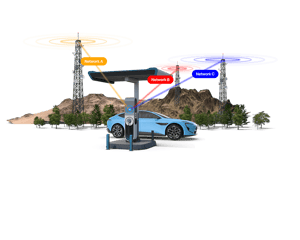
A car charging at an EV station and three cell towers.

Multi-Carrier SIM for EV Charging

EV charging stations don’t see the same network conditions all the time. What works in one location can behave differently a few streets away, and it can change again later in the day.

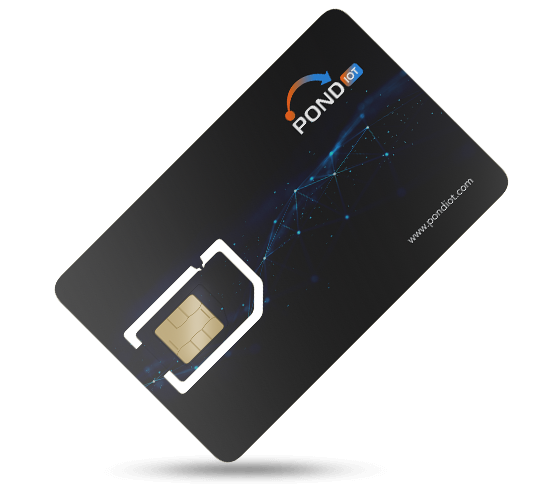
With a multi-carrier SIM using Multi-IMSI technology, including eSIM support, the station isn’t tied to a single network. If connectivity becomes unstable, it can move across available networks and stay online.

In practice, this usually means:

  • Sessions are less likely to drop when coverage changes
  • Carrier issues don’t take the station offline
  • Performance stays more stable across locations
  • Data flow continues without gaps or reconnections

This becomes more noticeable in areas where coverage changes frequently or remains inconsistent.

SIM_Card_3-1

Automatic Failover & Backup for EV Charging

EV charging stations depend on continuous connectivity, but primary networks don’t always remain stable. Even short interruptions can stop charging sessions or affect payments.

Automatic failover and backup keep stations online when the primary connection drops, using LTE or 5G as a secondary connection. Traffic automatically shifts to backup connectivity without interrupting operation.

In practice, this usually means:

  • Backup connection takes over when the primary network drops
  • Automatic failover happens without on-site intervention
  • Charging sessions continue during network outages
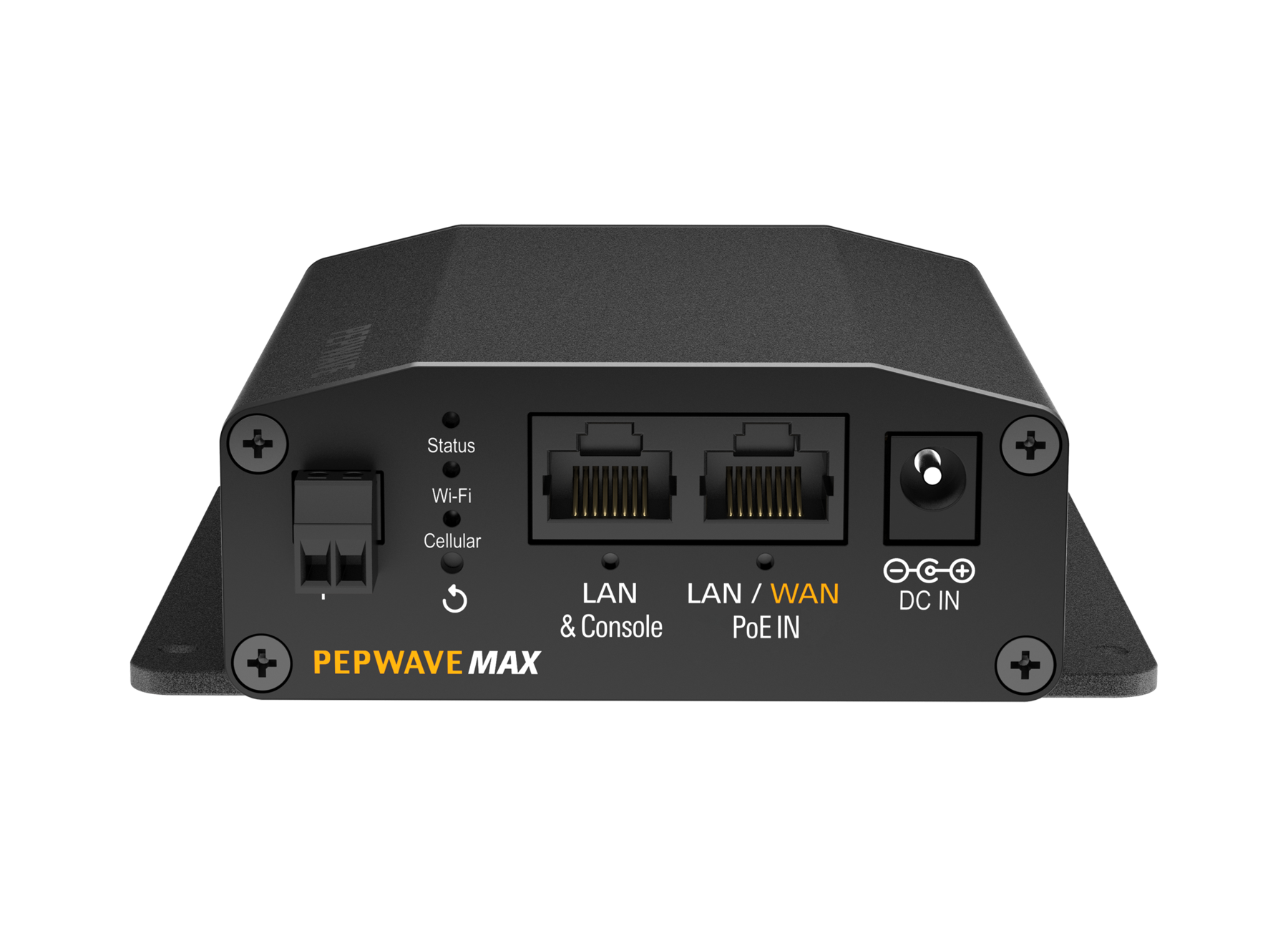
Peplink MAX BR1

Starlink Connectivity for EV Charging in Rural Areas

In some locations, wired internet isn’t available. Coverage can also vary between sites, making it difficult to rely on a single connection for charging availability and payment processing.

For remote EV charging deployments, connectivity is often built with multiple layers instead of depending on one provider or one type of infrastructure.

  • Starlink provides primary connectivity where wired internet isn’t available
  • Peplink router manages multiple connections and maintains traffic flow
  • POND IoT Multi-carrier SIM supports LTE or 5G backup when cellular coverage is available

Starlink_5

Secure Connectivity for EV Charging Networks

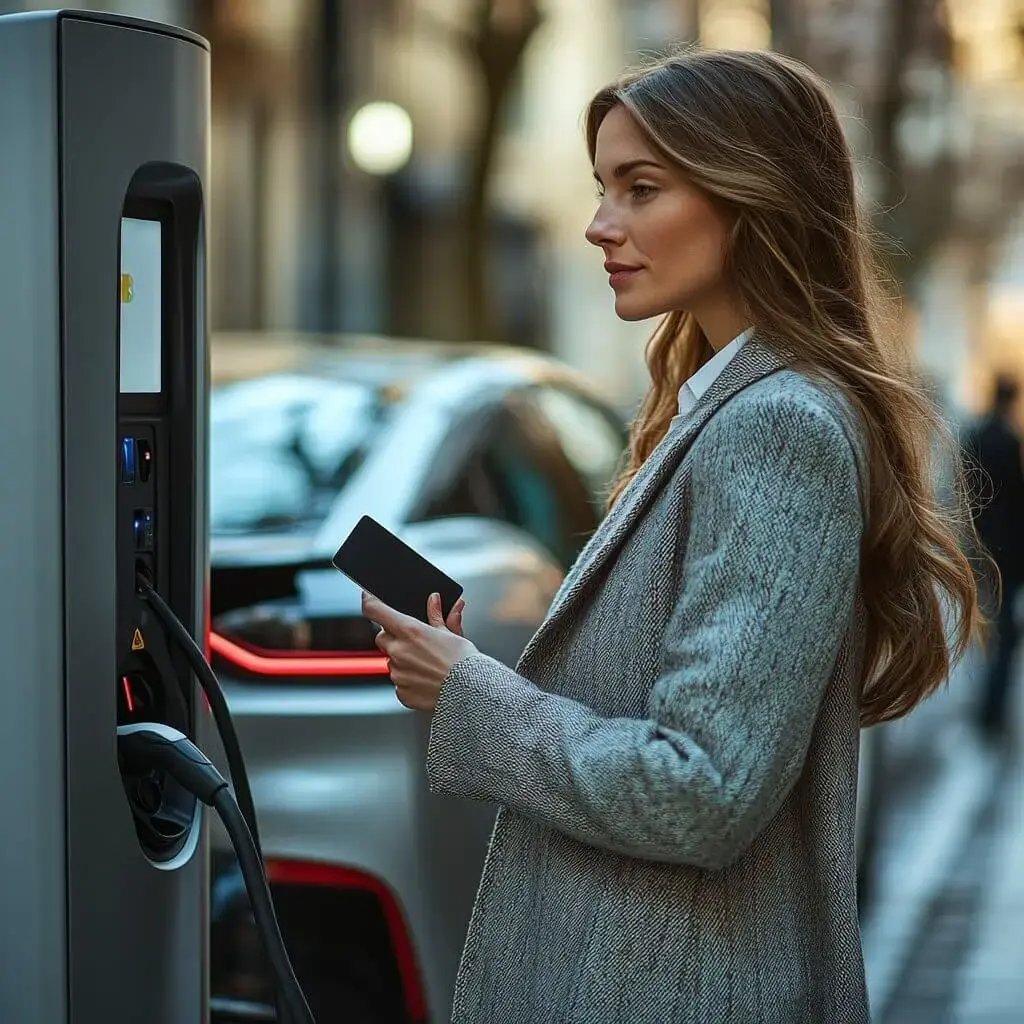
EV charging networks handle both physical infrastructure and payment transactions. Connectivity plays a role in keeping stations accessible, monitoring activity, and ensuring data moves securely between systems.

  • Access control limits who can use the charging stations
  • Monitoring helps detect unusual activity or potential tampering
  • Alerts notify operators when issues occur
  • Encryption protects payment and user data in transit
  • Fraud protection helps prevent unauthorized access or misuse
  • Compliance supports regulatory requirements for data security
secured_payment_at_ev_charging

EV Charging Connectivity Plans and Pricing

Flexible connectivity plans for EV charging deployments, payment systems, and distributed charging infrastructure.


EV Smart Plan EV Start Plan EV Power Plan EV Prime Plan
$22.50/mo $25/mo $30/mo $35/mo
Unlimited Data* Unlimited Data* Unlimited Data* Unlimited Data*
Static IP Included
Includes Teltonika RUT241 Includes Peplink Max Adapter Includes Peplink BR1 Core Includes Peplink BR1 Mini
Includes Teltonika's RMS** Includes InControl 2** Includes InControl 2** Includes InControl 2**
Upfront Warranty Replacement Upfront Warranty Replacement Upfront Warranty Replacement Upfront Warranty Replacement
3-Year Contract Required 3-Year Contract Required 3-Year Contract Required 3-Year Contract Required

* Includes 5GB of high-speed data, then throttled to 128 Kbps 

** For the duration of the contract


 Need a different setup? We’ll tailor a plan for your EV charging network. 

Estimate Your EV Charging Connectivity Savings

Get a quick estimate of your connectivity costs and potential savings based on your deployment. 

EV Charging Connectivity for Operators, Manufacturers, and Platforms

Connectivity requirements vary across EV charging operators, manufacturers, software platforms, and fleet deployments. 

Charge Point Operators (CPOs)

For operators, the challenge is managing stations across different locations. Not all of them behave the same, and small issues can quickly turn into downtime.

Connectivity that can move across networks helps keep stations available and reduces how often problems need attention.

Charge Point Manufacturers

For manufacturers, connectivity is part of the device from the start. Chargers are often installed in locations where local internet isn’t reliable or available.

SIM-based connectivity allows devices to come online without depending on on-site network setup.

EV Charging Software Providers

For software providers, everything depends on communication between the platform and the charger. When that link drops, data, billing, and visibility are affected almost immediately.

Stable connectivity helps keep that connection consistent, even when network conditions change.


Fleet & Energy Companies

For fleet and energy companies, deployments are spread across different types of sites. Coverage is not always predictable, especially outside major urban areas.

Connectivity that works across different environments helps keep stations accessible and easier to manage at scale.

Find the Right Connectivity Solution for Your EV Charging Network

USE CASE

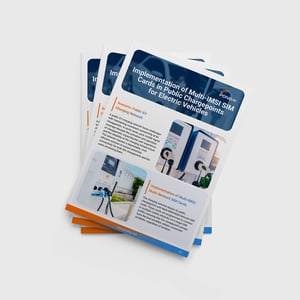
Improving EV Charging Operations with Multi-IMSI eSIM

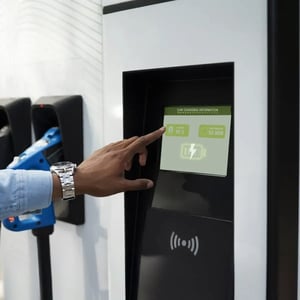
Public EV charging networks are expanding rapidly, but maintaining reliable connectivity across many locations can be difficult. Signal strength varies, which can affect station availability, payment processing, and remote monitoring.

This real-world example shows how Multi-IMSI eSIM connectivity helps charging networks maintain stable connections and manage stations more efficiently. 

EV charging connector plugged into a charging station

EV Charging Connectivity Questions and Answers

Why do EV charging stations go offline and how can you keep them online?

EV charging stations can go offline due to weak signal, network congestion, or carrier outages. Multi-carrier SIMs with backup connectivity allow charging stations to switch across available networks when conditions change.

How are EV charging payments secured?

EV charging payments are secured through encrypted LTE or 5G connections. VPN and Static IP options can help secure communication and support compliance requirements.

How do you connect EV charging stations in rural areas?

EV charging stations in rural areas can be connected using satellite services such as Starlink combined with cellular backup. This setup helps maintain operation in locations where traditional coverage is limited. 


Can EV charging stations be monitored remotely?

Yes. EV charging stations can be monitored remotely through continuous connectivity. Data is sent to management platforms, allowing operators to track performance and station status without on-site visits.

How do you scale an EV charging network across multiple locations?

EV charging networks can scale by adding new stations with SIM-based connectivity, reducing reliance on local wired internet. This allows stations to come online quickly across different locations and coverage conditions.

Do EV charging stations need a special SIM card?

Not necessarily but using a multi-carrier SIM is recommended. Standard SIMs rely on a single network, while multi-carrier SIMs can connect across multiple networks to reduce downtime and improve coverage. 

Looking for Reliable EV Charging Connectivity?

Get in touch with our team to discuss connectivity options for your EV charging network.