

Healthcare
Connectivity
Infrastructure
and healthcare operations connected with Multi-Carrier SIMs, internet
failover, secure LTE and 5G connectivity, backed by custom connectivity plans.
Why Healthcare Connectivity Fails
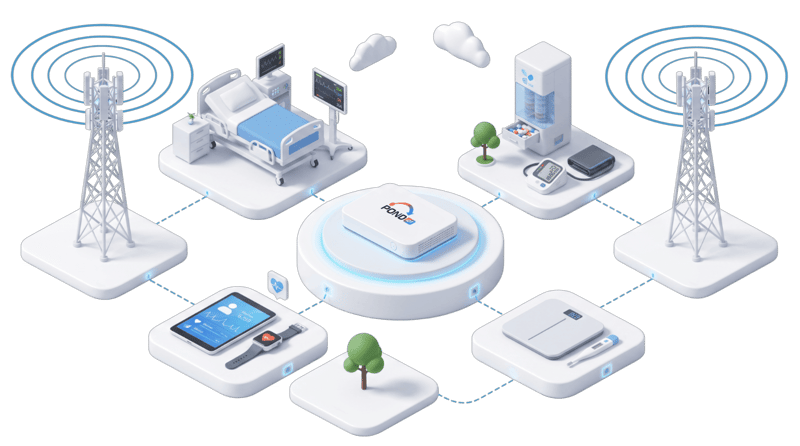
Healthcare organizations rely on connected systems to support patient monitoring, telehealth, medical devices, and facility operations. When connectivity becomes unavailable, access to patient data, remote monitoring, and critical healthcare services can be disrupted.
Common Connectivity Challenges in Healthcare
-
Coverage gaps across hospitals, clinics, and remote healthcare sites
-
Carrier outages affecting connected medical devices
-
Connectivity disruptions impacting patient monitoring and telehealth
-
Limited visibility across distributed healthcare locations
-
Dependence on a single carrier for critical operations
Even short disruptions can affect patient care, operational efficiency, and access to critical healthcare data.
Why Traditional IoT Connectivity Fails in Real Operations
Connectivity rarely fails all at once. Small disruptions are what break operations.When a single carrier network fails, everything relying on it stops.
Without automatic failover, switching networks takes time and interrupts operations.
Without real-time visibility, connectivity issues take longer to detect and resolve.
Connectivity that works in one location may fail in another due to changing network conditions.
How POND IoT Keeps Healthcare Online
Backup connectivity for healthcare systems during internet outages.
Encrypted LTE and 5G connectivity to support secure healthcare communications.
Single-Carrier vs Multi-Carrier Connectivity for Healthcare
| Healthcare Requirement | POND IoT Multi-Carrier Connectivity |
Single-Carrier Connectivity
|
|---|---|---|
| Network Availability | Access to multiple carrier networks | Dependent on one carrier |
| Outage Protection | Automatic network switching | Service interruption possible |
| Rural & Remote Coverage | Multiple network options available | Limited by carrier footprint |
| Telehealth Reliability | Maintains connectivity across changing conditions | Greater risk of disruptions |
| Deployment Flexibility | Supports diverse healthcare environments | Limited deployment option |
| Business Continuity | Designed to reduce connectivity disruptions | Greater exposure to outages |
Estimate the ROI of Reliable Healthcare Connectivity
See how reducing connectivity disruptions can improve operational continuity, support connected healthcare services, and lower downtime-related costs.
Looking for a More Reliable Healthcare Connectivity Solution?
Discuss your connectivity requirements with our team and explore connectivity options aligned with your healthcare facility's operational needs.
Connectivity Across Healthcare Environments
Connected Healthcare Applications
Many healthcare technologies rely on continuous connectivity to transmit data, support remote access, and maintain visibility across healthcare operations. Common connected healthcare applications include:
-
Remote Patient Monitoring (RPM)
-
Telehealth & Virtual Care
-
Medical Devices & Equipment
-
Mobile Healthcare Units
-
IoT Sensors & Wearables
Multi-Location Healthcare Operations
Healthcare providers often operate across multiple facilities and service areas, creating a need for consistent connectivity across distributed environments. Typical healthcare deployments include:
-
Hospitals & Health Systems
-
Clinics & Medical Offices
-
Remote Healthcare Sites
-
Mobile Healthcare Units
-
Long-Term Care Facilities

Healthcare Connectivity Solutions

Reliable Connectivity for Healthcare Devices and Applications
POND IoT Multi-Carrier SIMs automatically switch across available networks to maintain connectivity for healthcare applications and connected medical devices.
-
Automatic network switching
-
Reduced exposure to carrier outages
-
Connectivity for healthcare devices and applications
-
Coverage across hospitals, clinics, and remote sites
Keep Critical Healthcare Systems Online
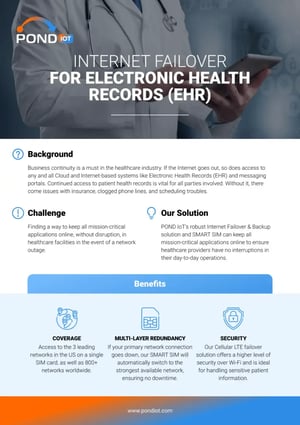
Internet disruptions can affect patient monitoring systems, telehealth services, and healthcare operations. Automatic failover activates backup connectivity when primary internet services become unavailable.
-
Automatic failover during outages
-
Backup connectivity for critical systems
-
Reduced operational disruption
-
Support for healthcare continuity


Reliable Connectivity for Rural Healthcare Environments
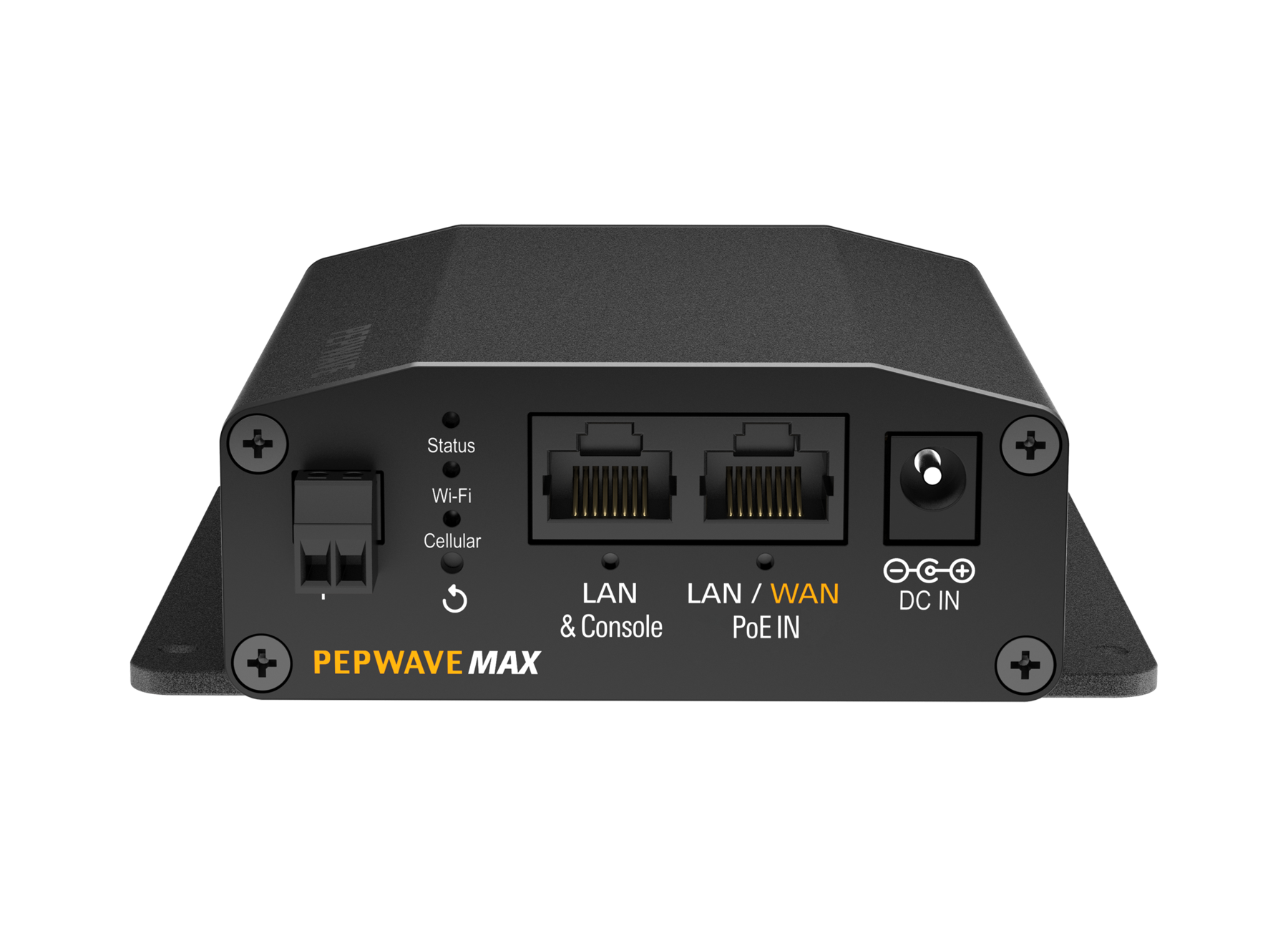
Healthcare organizations in rural and remote areas often operate where traditional internet infrastructure is limited. POND IoT combines Starlink, Peplink, and Multi-Carrier SIMs to support connectivity beyond traditional network coverage.
-
Connectivity for remote healthcare sites
-
Support for mobile healthcare units
-
Automatic failover between connectivity sources
-
Connectivity beyond traditional wired infrastructure
Frequently Asked Questions
Healthcare organizations can reduce connectivity disruptions through Multi-Carrier SIMs, automatic failover, and backup connectivity solutions. These technologies maintain connectivity for patient monitoring systems, telehealth services, medical devices, and other critical healthcare applications.
Multi-Carrier SIMs automatically switch across available networks when coverage conditions change. This provides greater resilience than single-carrier connectivity and reduces the risk of disruptions affecting healthcare operations.
Yes. POND IoT supports connectivity across hospitals, clinics, medical offices, remote healthcare sites, and mobile healthcare units through centralized connectivity solutions and custom deployment options.
POND IoT supports encrypted LTE and 5G connectivity, VPN options, and Static IP solutions to help healthcare organizations secure data transmission and support compliance requirements.
POND IoT combines Multi-Carrier SIMs, Starlink satellite connectivity, and Peplink solutions to support healthcare operations in areas where traditional internet infrastructure is limited.
Related Resources


Keep Critical Healthcare Systems Connected
Tell us about your environment and connectivity requirements. Our team can help identify solutions for patient monitoring, telehealth services, and connected medical devices.