

<img src="https://acuteintuitive52.com/810690.png" style="display:none;">
Skip to content
Multi-network failover router keeping systems online

Multi-Network
Internet Failover For
Business Continuity

Automatic wireless failover designed to support business continuity during carrier outages,
network disruptions, and connectivity interruptions.
 
Multi-carrier connectivity 
No single-carrier dependency   
Continuous operation during outages 
 

Downtime is expensive.


Unplanned internet outages cost businesses an average of $14,056 per minute  *

Why Single-Carrier Connectivity Fails

Most businesses rely on a single carrier or connection. When it fails, operations stop — there is no fallback to keep systems running.

  • A single carrier creates a single point of failure
  • Outages and congestion happen without warning
  • No failover means systems go offline
  • Downtime leads to lost revenue and disrupted operations

Connection lost due to single-carrier network failure

How Our Multi-Network Failover Works

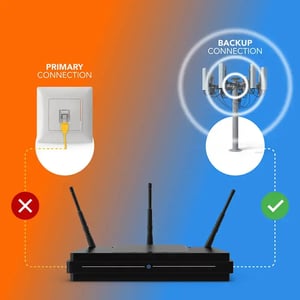
When your primary connection becomes unstable or fails, traffic is automatically switched to another available network. This keeps your systems online without interruption. 
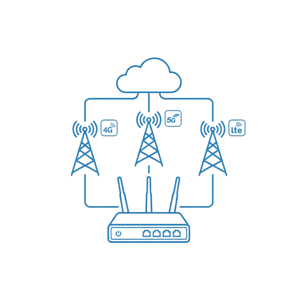
Router connected to multiple cellular networks including 4G LTE and 5G for failover
Multi-Network Access
Access multiple carrier networks through a single connectivity solution.
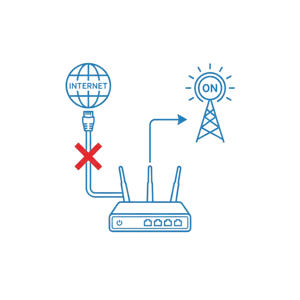
Router switching from failed wired internet connection to active wireless network
Automatic Switching
Automatically transition to available networks during outages or disruptions. *
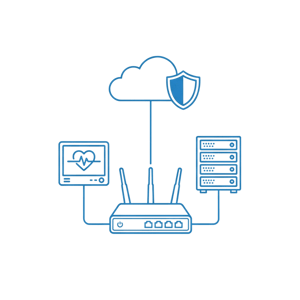
Router maintaining connection to cloud, server, and monitoring system during failover
Centralized Control
Manage connectivity performance and failover behavior across deployments.

See how POND IoT keeps your business connected with a simple, one-page summary.

*Automatic switching occurs when the primary network connection is lost.

Why Multi-Network Failover Matters

Built for businesses that depend on continuous connectivity to keep operations running without disruption 
Protect Revenue

Avoid downtime that interrupts transactions and leads to lost income.

Maintain Operations

Keep systems, devices, and teams connected when networks become unstable.

Reduce Risk
Remove the vulnerability of relying on a single carrier or connection. 
Improve Customer Experience

Ensure services remain available without interruptions or delays. 


Multi-Network Failover vs. Traditional Failover

 Not all failover solutions work the same. The difference comes down to how networks are used and how quickly systems recover when connectivity is lost. 


  POND IoT Multi-Network Failover Traditional Failover
Network Used  Multiple carriers and network types   Single carrier backup 
 Failover Speed   Instant switching   Often delayed or dependent on configuration 
 Uptime Reliability   High availability across networks   Varies based on single network conditions 
 Carrier Dependency   No single-carrier reliance   Dependent on one carrier 
 Scalability   Scales across locations and deployments   Limited by network and infrastructure constraints 
 Management   Centralized, real-time visibility and control   Limited visibility and fragmented management 
 Built for Critical Systems   Designed for continuous operation   Not optimized for always-on environments 
See how multi-network failover keeps systems online

Built for Connected Business Operations

Used across industries where downtime directly impacts transactions, operations, and customer experience.

Seamless Integration with Popular Hardware

All trademarks and logos are the property of their respective owners.

Stay Online When Connectivity Fails

Protect revenue, operations, and customer experience with multi-network failover designed for continuous uptime. 

Frequently Asked Questions

What triggers automatic internet failover? Automatic failover is triggered when the primary network connection is lost. The system then switches traffic to another available network to restore connectivity and keep connected systems online.
Does failover work if my connection is still technically online? Not in the standard setup described here. If the primary connection is weak but still active, automatic switching will not occur. Failover begins once the primary network connection is completely lost.
What is the benefit of multi-carrier cellular backup? Multi-carrier connectivity allows devices to switch across available mobile networks instead of relying on a single carrier. This reduces the risk of outages caused by network congestion or coverage gaps.
Will my IP address change during failover?  In standard setups, the public IP address may change when switching between networks. If a fixed IP is required, a static IP option can be configured. 
How fast does failover switching occur? Failover begins automatically once the primary network connection is lost. Switching usually occurs almost instantly, but the exact timing may vary depending on the router, network conditions, and failover configuration.
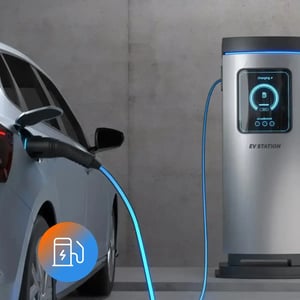
Is this solution suitable for POS or payment environments? Yes. It is commonly used in environments where uptime is critical, including retail POS, ATMs, EV charging, and other transaction-based systems. 

Talk to an Expert About Failover and Uptime

Tell us about your setup, and we’ll help you design a failover strategy that keeps your systems online when connectivity drops.

Clear recommendations based on your environment. No commitment.