



IoT Connectivity
Built For
Reliable Operations
POND IoT provides multi-network connectivity for connected devices, distributed systems,
and business-critical operations across locations and environments.
Multi-network connectivity
No single-carrier dependency
Automatic network switching
Coverage across 200+ countries
Built for large-scale deployments
24/7 expert support
Connectivity Solutions for Modern Deployments
Flexible wireless connectivity solutions designed to support primary internet, failover, IoT deployments, and distributed operational environments.
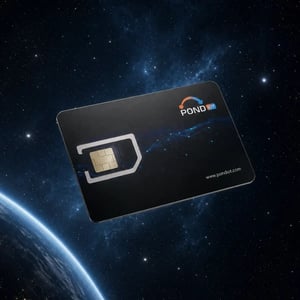
Explore IoT SIM
Multi-Network SIM Card
One SIM for global IoT deployments, providing access to multiple networks without replacing SIMs or changing hardware.
Explore IoT SIM

Explore Failover Solution
Internet Failover & Backup Explore Failover Solution
Automatic wireless failover designed to help maintain connectivity during primary internet disruptions.
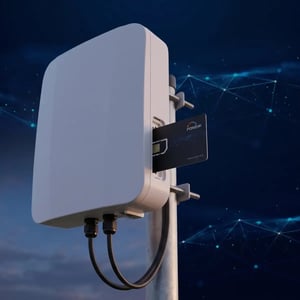
Explore Fixed Wireless
Fixed Wireless Internet (FWA) Explore Fixed Wireless
Wireless internet solutions for locations where traditional wired connectivity is lacking.

View All
Solutions
Solutions
View All
Solutions View All
Solutions
Solutions
Explore the full range of connectivity solutions for different deployment scenarios.
Solutions
Compatible with Leading IoT Hardware and Routers
POND IoT SIMs and eSIMs work with leading hardware providers such as Cradlepoint, Teltonika, InHand, and Peplink, supporting connectivity across routers, gateways, and IoT devices..png?width=200&name=peplink%20logo%20(1).png)





.png?width=200&name=digi%20logo%20(1).png)

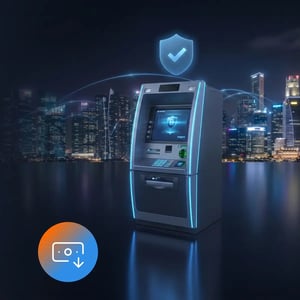
Explore ATM Connectivity Solutions
Financial Services & ATMs
Maintain connectivity for transactions, monitoring, and remote device management.

Explore Vending Solutions
Vending Explore Vending Solutions
Keep vending machines connected for payments, telemetry, and real-time inventory tracking.

Explore EV Charging Solutions
EV Charging
Enable reliable connectivity for charging infrastructure, payments, and remote visibility.
Explore EV Charging Solutions

Explore POS Connectivity
POS Systems Explore POS Connectivity
Support connected payment systems, retail operations, and customer-facing technologies.

Explore Digital Signage Solutions
Digital Signage & Kiosks Explore Digital Signage Solutions
Maintain connectivity across self-service systems and distributed display networks.

Explore Healthcare Solutions
Healthcare
Support connected systems, monitoring platforms, and operational communications.
Explore Healthcare Solutions
Expert Insights From the POND IoT Team
POND IoT experts share practical insights on cellular connectivity, Multi-Carrier SIMs, network behavior, and IoT deployments across industries.