


<img src="https://acuteintuitive52.com/810690.png" style="display:none;">
Skip to content
Connected freight truck traveling on a highway at dusk

Reliable Connectivity
for Transportation
and Logistics

Keep fleets, cargo, and connected transportation systems online with multi-carrier 5G/LTE
connectivity built for changing routes, coverage conditions, and borders. 
 
Connectivity for: Fleet Telematics • Asset Tracking Systems •
Cold Chain Monitoring • EV Fleets • Remote Route Operations  
Why Transportation Connectivity Breaks Down

Transportation systems depend on continuous data exchange between vehicles, assets, sensors, and operational platforms. When connectivity becomes unstable, critical information may arrive late, stop transmitting, or require manual follow-up—reducing visibility and slowing operational response. 


Common Connectivity Challenges

  • Dependence on a single carrier network
  • Changing coverage along active routes
  • Rural and remote operating areas
  • Cross-border network transitions
  • Detached trailers and mobile assets

Operational Impact

  • Gaps in vehicle and asset visibility
  • Interrupted data from telematics devices and sensors 
  • Missed cold chain and cargo alerts
  • Slower dispatch and routing decisions
  • More manual checks and higher operating costs

How POND IoT Keeps Transportation Operations Connected

Multi-Carrier SIMs

Access multiple carrier networks for more consistent connectivity as vehicles and assets move between coverage areas. 

Global Fleet Connectivity

Support domestic and international operations across 200+ countries and 900+ partner networks. 

Centralized SIM Management
Activate, monitor, and manage connectivity across vehicles, trailers, sensors, and mobile assets from one platform. 
Hardware Flexibility
Provide connectivity for telematics units, tracking devices, routers, cameras, and sensors across different hardware environments.

What Multi-Carrier Connectivity Changes Across Fleet Operations


 POND IoT Multi-Carrier Connectivity  
 Single-Carrier Connectivity 
 Access to multiple available carrier networks   Coverage limited to one carrier footprint 
 More consistent connectivity across changing routes   Connectivity gaps along changing routes 
 One strategy for domestic and international operations   Separate arrangements for cross-border operations 
 Centralized SIM management across connected assets   Fragmented SIM and device management 
 More consistent data transmission from telematics devices, trackers, and sensors    Interrupted reporting from connected devices and sensors 

Estimate the ROI of Reliable Fleet Connectivity

See how reducing connectivity downtime across vehicles, trailers, and connected assets could lower operational losses. 

Build a Connectivity Plan Around Your Operation

Tell us what you need to connect, where your vehicles and assets operate, and which coverage requirements matter most. We’ll create a custom plan based on your routes, hardware, data usage, and deployment scale.

Connectivity Across Transportation Operations

Fleet and Vehicle Operations

  • Connectivity for fleet telematics
  • Connectivity for vehicle tracking systems
  • Driver tablets and dispatch systems
  • Dash cameras and onboard systems
  • EV fleet connectivity
  • Charging infrastructure connectivity

Cargo, Trailer, and Mobile Asset Operations

  • Connectivity for trailer and container trackers
  • Cold chain monitoring connectivity
  • Connectivity for high-value asset trackers
  • Environmental sensor connectivity
  • Geofencing and route-alert systems
  • Cross-border cargo monitoring systems

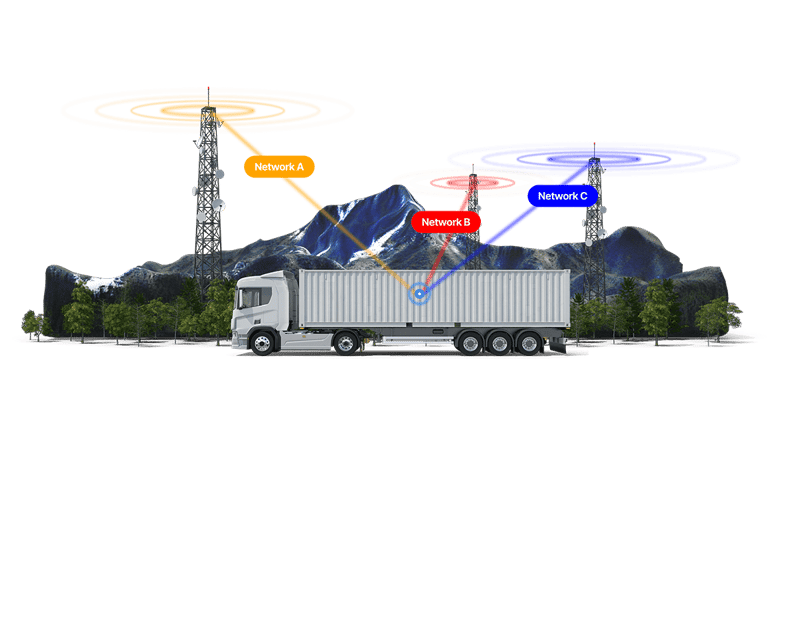
A vehicle and three cell towers.

Transportation Connectivity Solutions

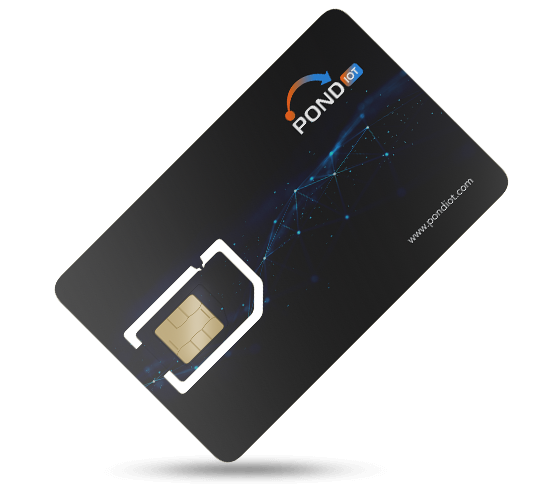
SIM_Card_3-1

Connectivity Across Changing Routes and Regions

Vehicles and mobile assets move through different network environments throughout the day. POND IoT multi-carrier SIMs provide connectivity for telematics units, tracking devices, sensors, and onboard systems without tying the deployment to one carrier network.

Key Benefits

  • One SIM for vehicles and connected transportation devices
  • Network access across changing operating areas
  • Simplified deployment across regional and international fleets
  • Centralized activation, monitoring, and usage control
  • Compatibility with telematics and tracking hardware

Support for Routes Beyond Reliable Cellular Coverage

Remote routes, rural corridors, and isolated operating areas may have limited or unavailable cellular coverage. POND IoT combines Starlink satellite connectivity with cellular solutions to support communication, connected tracking systems, and operational visibility across these environments. 

Key Benefits

  • Connectivity across rural and remote operating areas
  • Starlink access where cellular coverage is limited
  • Location and status reporting across remote routes
  • More consistent communication for drivers and field teams
  • Integration with routers and transportation hardware
Satellite antenna in rural area

Transportation Connectivity Use Cases
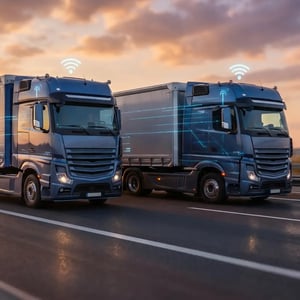
 
Connected trucks transmitting fleet telematics data
Fleet Telematics
 
Support the transmission of vehicle location, status, and performance data across active routes. 
 
Freight trailer used for mobile asset tracking
Trailer & Asset Tracking Connectivity
Keep third-party tracking devices connected across trailers, containers, equipment, and high-value assets. 
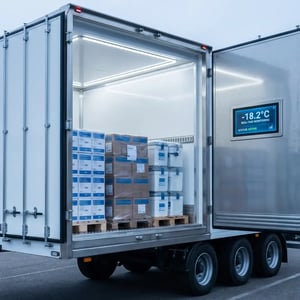
 
Refrigerated trailer with temperature-monitored cargo
Cold Chain
Monitoring
Keep temperature and environmental sensors connected throughout transport.

 
Electric fleet van connected to a charging station
EV Fleet
Operations
Connect EV telematics devices, charging infrastructure, and fleet-management systems.

USE CASE

Improving Fleet Visibility Across Changing Coverage Areas

A logistics company relied on GPS tracking, cargo sensors, dispatch software, and connected vehicle equipment to manage freight across multiple regions. When vehicles moved through areas where one carrier performed poorly, delayed or missing updates reduced visibility and increased manual follow-up.

By deploying Multi-IMSI SIMs across its vehicles and connected logistics devices, the company reduced dependence on a single network and maintained more consistent data flow across changing coverage areas.

The result was clearer fleet visibility, faster response to route and cargo issues, and less manual follow-up for dispatch teams.


Two semi trucks driving on highway under urban overpass

Frequently Asked Questions


What type of SIM is best for fleet tracking? Fleet tracking systems generally need a SIM that can operate across more than one carrier network. Multi-Carrier SIMs reduce dependence on a single operator and are better suited to vehicles and mobile equipment that move through different coverage areas.
How does a multi-carrier SIM improve fleet connectivity?

A Multi-Carrier SIM gives the connected device access to multiple approved networks rather than relying on one carrier footprint. This can provide more consistent connectivity as vehicles move between cities, highways, rural areas, and other operating environments.

Actual network selection depends on the SIM architecture, carrier agreements, device configuration, and available coverage.

Can one SIM support fleets operating across multiple countries?

Yes, provided the connectivity plan includes the required countries and partner networks. A global SIM can simplify international fleet deployments by reducing the need for separate local SIMs, carrier contracts, and management platforms in every market. 

Can IoT SIMs provide connectivity for trailer and cargo tracking systems?

Yes. IoT SIMs can provide cellular connectivity for trailer trackers, container devices, cargo sensors, cameras, and other mobile equipment independently from the vehicle itself.

This allows data from third-party tracking and monitoring devices to continue reaching the platforms used by operations teams when a trailer is detached, stored at a facility, or transferred between vehicles.


How does cellular connectivity support cold chain monitoring?

Temperature, humidity, location, and other sensor readings can be transmitted over cellular networks to a cold chain monitoring platform. Operations teams can then review conditions in transit and receive alerts through their monitoring system when readings move outside defined thresholds.

More consistent connectivity can reduce gaps in reporting during the journey.


What happens when a vehicle enters an area with limited cellular coverage?

A Multi-Carrier SIM may connect through another approved network when one is available and permitted by the deployment configuration. If no terrestrial network is reachable, cellular data transmission may pause until coverage returns.

For routes that regularly extend beyond cellular coverage, satellite connectivity can form part of a broader connectivity strategy.

Can transportation SIMs be managed from one platform?

Yes. POND IoT provides centralized tools for activating, monitoring, suspending, and managing SIM connectivity across vehicles, trailers, tracking devices, sensors, cameras, and other connected equipment.

This reduces the need to work across separate carrier portals and regional accounts.

Does POND IoT work with existing transportation hardware?

Yes. POND IoT connectivity can be integrated with a wide range of telematics units, GPS trackers, routers, cameras, sensors, and onboard systems.

The connectivity plan can be built around the hardware already used across the fleet rather than requiring one fixed device ecosystem.

Build a More Reliable Transportation Connectivity Strategy

Tell us what you need to connect, where your vehicles and assets operate, and which coverage challenges affect your deployment. POND IoT will identify the right combination of multi-carrier cellular, SIM management, and satellite connectivity for your operation.