

<img src="https://acuteintuitive52.com/810690.png" style="display:none;">
Skip to content
Waste collection worker beside a connected garbage truck on a residential route.

Reliable Connectivity
for Waste Management
Operations

Keep collection vehicles, smart containers, route systems, field equipment, and operational
platforms connected across routes, facilities, and service areas with multi-carrier 5G/LTE connectivity. 
 
 
Fleet Connectivity · Smart Containers · Route Systems · Internet Backup · Remote Monitoring
 

Why Waste Management Connectivity Fails

Waste management operations move across changing coverage areas, industrial sites, remote routes, and distributed facilities. Connectivity that performs reliably at a depot may weaken once vehicles, field teams, or connected assets move into another service area.


Connectivity Challenges

  • Single-carrier coverage gaps

  • Changing route conditions

  • Limited coverage at remote assets

  • Interrupted fleet and operational data

  • Internet outages at facilities

  • Lost access for field teams

Operational Impact

  • Missed or delayed collections

  • Inaccurate container status

  • Reduced route visibility

  • Manual dispatch workarounds

  • Slower response times

  • Incomplete reporting

Why Traditional IoT Connectivity Fails in Real Operations

Connectivity rarely fails all at once. Small disruptions are what break operations. 
Single-Carrier Dependency

When a single carrier network fails, everything relying on it stops.

No Automatic Failover

Without automatic failover, switching networks takes time and interrupts operations.

Limited Visibility

Without real-time visibility, connectivity issues take longer to detect and resolve. 


Not Built for Multi-Location Operations

Connectivity that works in one location may fail in another due to changing network conditions.

How POND IoT Keeps Waste Management Operations Online

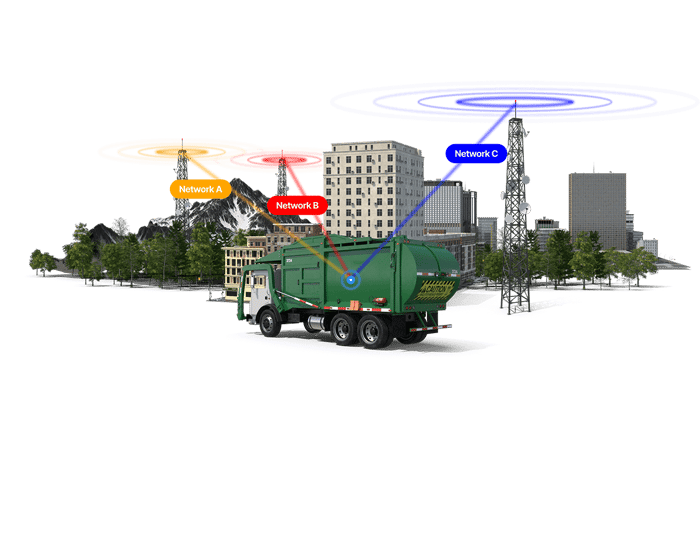
Multi-Carrier SIMs

Maintain connectivity across changing routes and service areas.

SIM Management

Activate, monitor, and manage distributed SIMs from one platform. 

Internet Backup
Keep depots and transfer stations online during primary outages.
Live Support
Get direct support when connectivity issues affect operations.

Why Multi-Carrier Connectivity Matters for Waste Management


 Operational Requirement   POND IoT Multi-Carrier Connectivity 
 Single-Carrier Connectivity 
 Collection route coverage   Access to multiple carrier networks across changing routes   Limited to one carrier’s footprint 
 Remote asset connectivity   Connects through the best available supported network   Weak coverage can leave assets offline 
 Fleet and route data    Supports more consistent data transmission from connected fleet and route systems   Updates may stop when vehicles leave coverage 
 Network resilience   Can switch to another available carrier network   No alternative when the carrier is unavailable 
 Connectivity management   SIMs, usage, and connectivity managed from one platform   Separate carrier accounts and systems may be required 
 Operational visibility   More reliable connectivity supports continuous visibility   Coverage gaps can delay route and asset data 

See How Much You Could Save with POND IoT

Calculate the potential savings from reducing connectivity downtime across your vehicles, containers, facilities, and connected systems. 

Build a Connectivity Plan for Your Waste Operation

Tell us what you need to connect, where your vehicles, facilities, and remote assets operate, and which coverage requirements matter most. We’ll create a tailored plan around your routes, devices, data usage, and deployment scale.

Connectivity Across Waste Management Operations

On the Road

  • Collection vehicles

  • Route-management systems

  •  GPS-enabled fleet systems 

  • Driver tablets and mobile devices

  • Vehicle cameras and sensors

  •  Connected onboard equipment 

At Facilities and Remote Assets

  • Transfer stations

  • Recycling facilities

  • Smart containers

  • Compactors and balers

  • Scales and kiosks

  • Remote monitoring equipment

A garbage truck and three cell towers.

Support More Reliable Reporting and Record-Keeping

Maintain access to operational data from vehicles, containers, equipment, and facilities to support reporting, documentation, and compliance processes. 

Reliable Data Flow
Maintain data across connected assets and facilities.
Complete Records
Reduce gaps in operational and monitoring data.
Audit-Ready Reporting

Access current information for reports, audits, and compliance processes.

Centralized Visibility
View device and connectivity data across operations. 

Connectivity Solutions for Waste Management

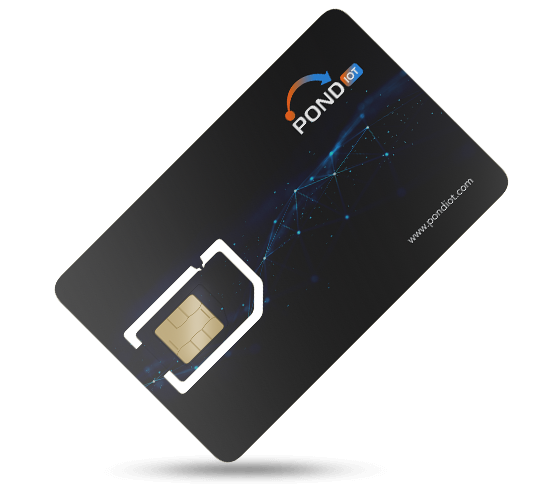
POND IoT Smart SIM

One SIM Solution Across Your Waste Operation

Connect sensors, GPS-enabled devices, cameras, routers, and other compatible cellular equipment through one multi-carrier SIM solution suited to different data requirements.

Key Benefits

  • Options for low- and high-data devices
  • Physical SIM and eSIM for any deployment
  • Support for compatible routers, cameras, sensors, and GPS-enabled devices
  • Data plans suited to different usage patterns
  • One connectivity provider across different device types

Internet Continuity for Offices and Waste Facilities

Waste management operations depend on fixed locations as much as vehicles and remote assets. POND IoT provides an independent 5G/LTE connection that keeps office systems, depots, transfer stations, recycling facilities, and scale houses accessible when primary broadband becomes unavailable.

Key Benefits

  • Independent 5G/LTE connection alongside primary internet
  • Automatic failover with compatible routing hardware
  • Support for dispatch, scales, kiosks, cameras, and cloud systems
  • Router options for different facility requirements
  • Consistent backup connectivity across multiple locations
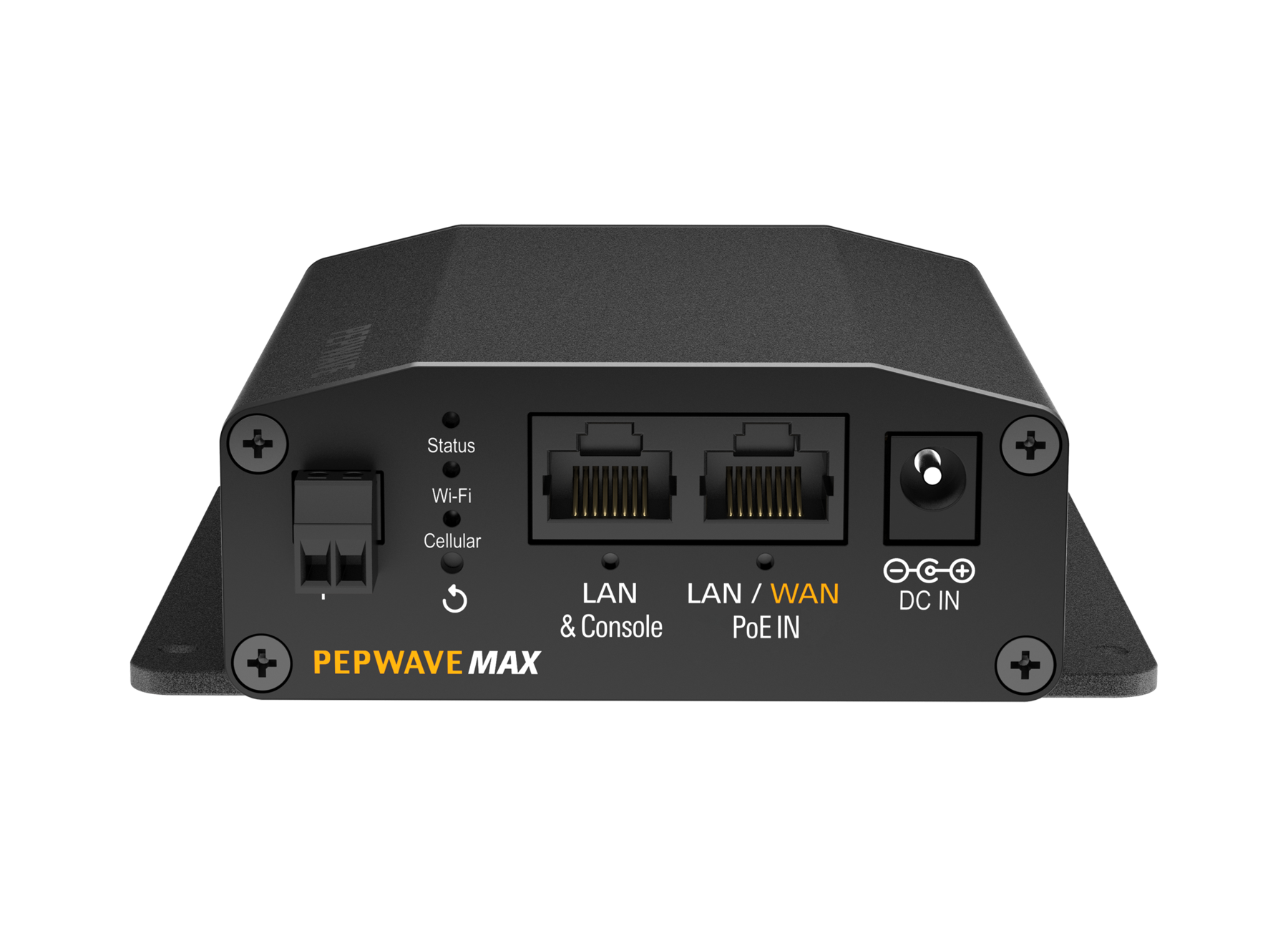
Peplink MAX BR1

Waste Management Connectivity Use Cases
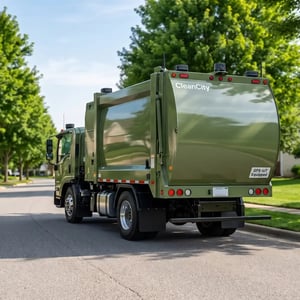
 
Waste collection truck operating on a residential route.
Fleet Telematics
 
Connect compatible telematics systems that send vehicle and diagnostic data to fleet platforms.  
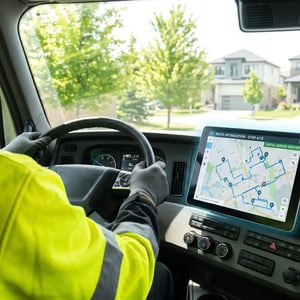
 
river using a route-management system inside a collection vehicle.
Route and Service Verification
Connect vehicle, route, and dispatch systems so updates continue throughout the day.  
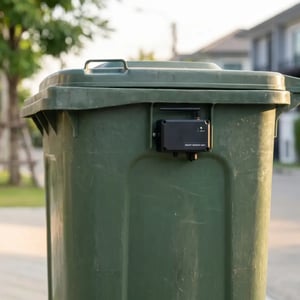
Smart waste container equipped with a monitoring sensor.
 Smart Container Monitoring
Connect compatible sensors that report fill level, location, and container status.
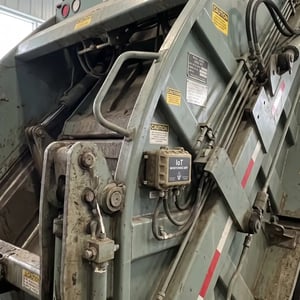
 
Monitoring device installed on waste compactor equipment.
Compactor and Equipment Monitoring
Connect compatible sensors that report equipment status, usage, faults, and maintenance needs. 

Dashboard camera installed in a waste collection vehicle.
Vehicle Camera
 
Connect onboard cameras and video systems for cellular data transmission. 
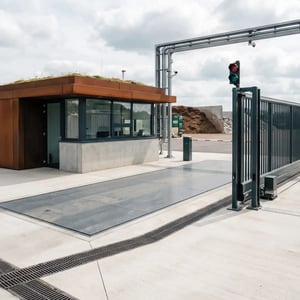
Connected access and weighing area at a waste facility
Facility Systems
 
Connect scales, cameras, access systems, and other cellular-enabled equipment at waste facilities.
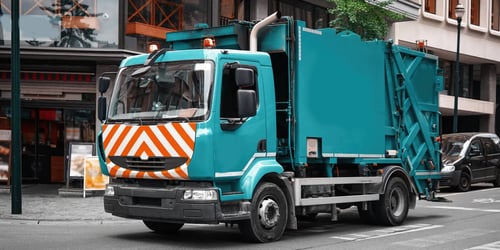
USE CASE

Maintaining Data Flow Across Changing Collection Routes

A waste management provider needed more consistent connectivity for vehicle systems transmitting location, route, and service data across changing coverage areas.

POND IoT Multi-IMSI SIMs gave the provider’s connected equipment access to multiple carrier networks, reducing gaps in data transmission as conditions changed throughout the day.

Outcomes

  • More consistent data from connected vehicles
  • Fewer visibility gaps for dispatch teams
  • More complete route and service records
Waste collection truck on city street

Frequently Asked Questions

Can POND IoT connectivity work with existing waste-management equipment?

 POND IoT SIM and eSIM options can work with compatible routers, telematics units, cameras, gateways, sensors, and monitoring devices. Device bands, network technology, SIM format, and configuration should be reviewed before deployment. 

Can one deployment support both low-data sensors and higher-data equipment?

Yes. Waste operations may combine fill-level sensors and simple monitoring devices with routers, cameras, and connected vehicle systems. Connectivity plans can be structured around the different data requirements of each device type. 

Should waste-management companies choose physical SIMs or eSIMs?

The best option depends on the hardware, installation method, device accessibility, and expected deployment lifecycle. Physical SIMs suit equipment with accessible SIM slots, while eSIM may be better for compatible embedded or difficult-to-access devices. 

Does internet backup protect the entire facility network? That depends on the router configuration, available cellular capacity, and which systems are prioritized during failover. Critical applications such as dispatch tools, cloud platforms, VoIP, cameras, and weighing systems can be prioritized instead of placing every device on the backup connection.
Can the same internet backup setup be used across multiple facilities? A standardized backup approach can be deployed across offices, depots, transfer stations, recycling facilities, and other fixed locations. Signal conditions, bandwidth requirements, router selection, and critical systems should still be assessed at each site. 
What should be evaluated before deploying waste-management connectivity? The assessment should cover operating routes, facility locations, carrier availability, device compatibility, data usage, SIM format, installation requirements, and the systems that must remain accessible during an outage. These factors determine the most suitable connectivity setup. 

Build a More Reliable Waste Management Operation

Tell us where your vehicles, facilities, containers, and connected equipment operate. Our team will recommend the POND IoT connectivity solutions that best fit your coverage, hardware, data, and deployment requirements.