

%202.webp?width=300&name=IoT_SIM_size_2000x1200_v1%202%20(1)%202.webp)
IoT SIM Cards
Built for
Operational Continuity
Support connected devices across carriers, regions, and deployment
environments with flexible multi-network IoT SIM connectivity.
environments with flexible multi-network IoT SIM connectivity.
Global and local coverage
Automatic network switching
No single-carrier dependancy
SIM and eSIM flexibility
Built for scale
Consistent connectivity
%20(1).png "POND IoT SIM card")
Supporting Connected Operations Across Industries
Devices that must stay online across locations and changing network conditions rely on SIM-based connectivity that can adapt without interruption.

Explore ATM Connectivity Solutions
ATMs
Ensure transactions continue even when a network connection becomes unavailable or unstable.
Explore ATM Connectivity Solutions

Explore Retail
Connectivity
Connectivity
Retail & POS
Systems Explore Retail
Connectivity
Systems
Keep payment terminals and point-of-sale systems connected to reduce transaction failures.
Connectivity

Explore Automated Retail
Connectivity
Connectivity
Kiosks & Vending Machines Explore Automated Retail
Connectivity
Maintain network access for self-service machine s, vending units, and unattended retail systems.
Connectivity

Explore EV Charging
Solutions
Solutions
EV Charging
Stations
Solutions
Stations
Keep charging stations online for payments, monitoring, and remote diagnostics across locations.
Explore EV ChargingSolutions

Explore Hospitality
Solutions
Solutions
Hospitality & Guest Services Explore Hospitality
Solutions
Support network access for payment systems, guest services, and on-site operations.
Solutions

Explore Healthcare Solutions
Healthcare Devices & Systems Explore Healthcare Solutions
Support reliable connectivity for patient monitoring and medical devices.

Explore Digital Signage Solutions
Digital Signage &
DOOH Explore Digital Signage Solutions
DOOH
Ensure uninterrupted content delivery and remote management across displays.

Explore Connectivity
Solutions
Solutions
Industrial IoT & Remote Monitoring Explore Connectivity
Solutions
Enable real-time data transmission for equipment, sensors, and field operations.
Solutions
Related Resources

Read More
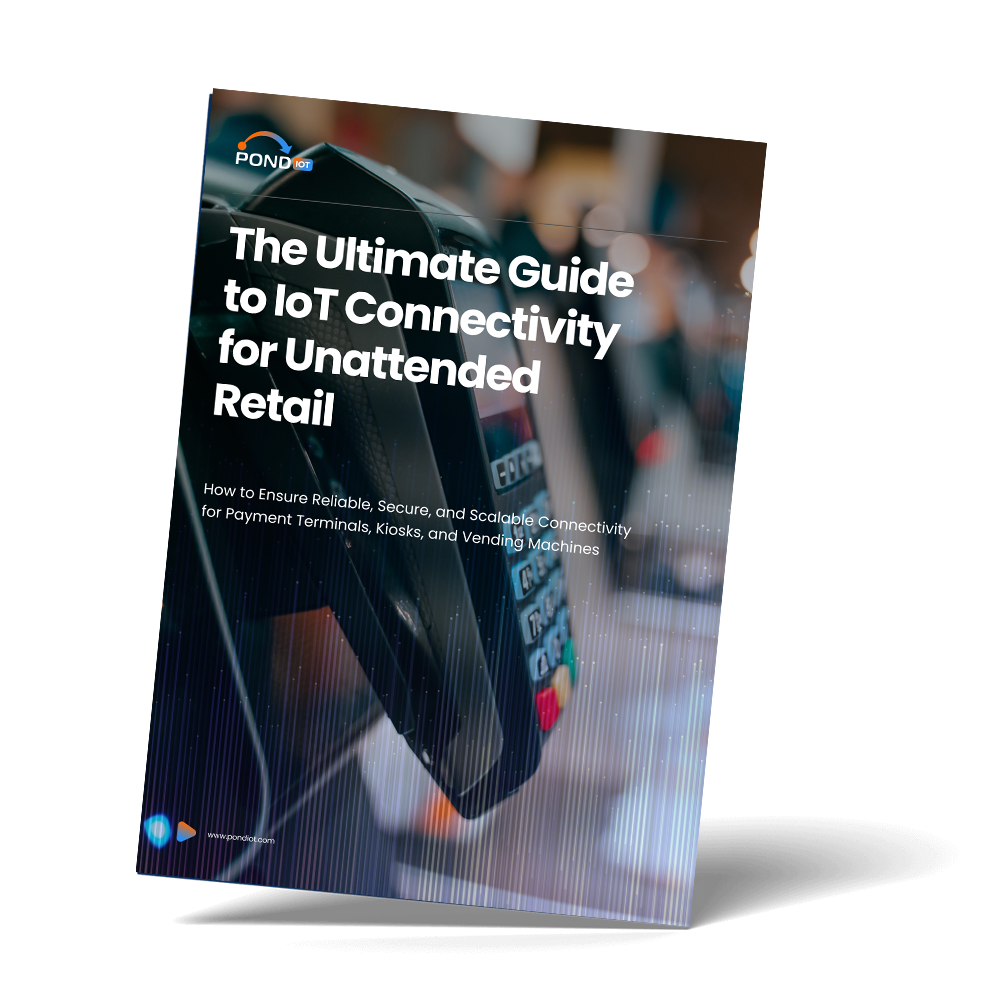
BLOG POSTThe Advantages of a Multi-IMSI SIM: Unlocking Boundless ConnectivityRead More

Read More
BLOG POSTNavigating Network Outages with Multi-IMSI SIM SolutionsRead More
Read More
BLOG POSTWhat Is an eSIM: Advantages and DisadvantagesRead More

Read More
BLOG POSTGlobal IoT Connectivity Simplified With eSIM TechnologyRead More
.webp?width=300&name=cafe%20payment%20(1).webp)
Read More
CASE STUDYHow Café X Used Multi-Carrier SIMs to Prevent DowntimeRead More
Read More
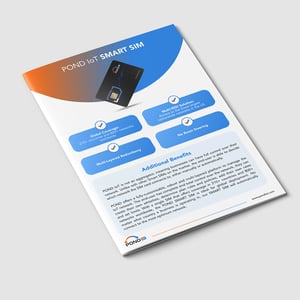
IoT SOLUTIONSPOND IoT SMART SIMRead More

PLAY
VIDEOChoosing the Right SIM for IoT: Everything You Need to KnowPLAY